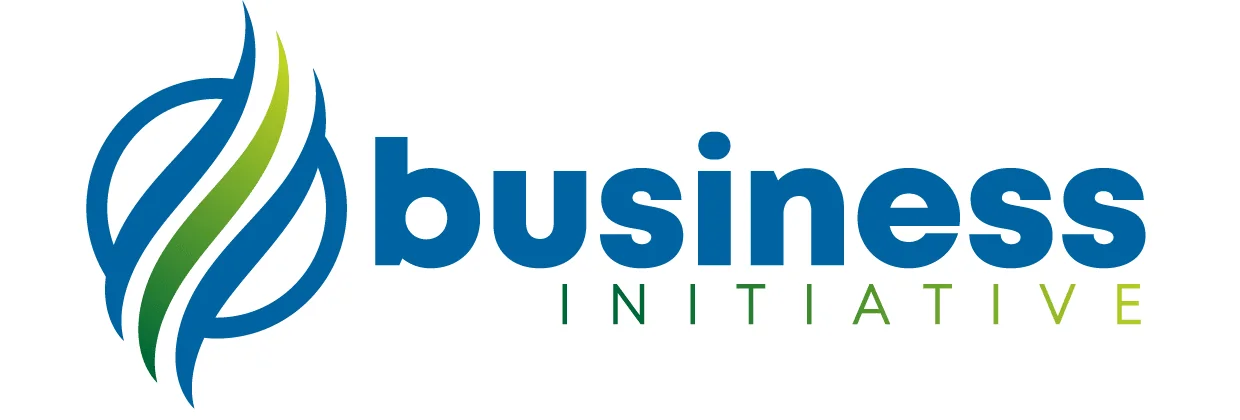


What if you could see that California has 16.0 million jobs while Wyoming has just 208,000—but Wyoming’s employment density per square mile might actually be higher in certain counties? This Employment Density Map reveals exactly where job concentration is highest—and how you can position yourself in markets with the greatest labor availability.
The data shows dramatic differences: total employment ranges from 16.0 million in California to 208,000 in Wyoming—a 77x difference. But employment density (jobs per square mile) tells a different story, revealing where jobs are concentrated relative to land area. This isn’t just about total jobs—it’s about understanding labor market density, job concentration, and location opportunities that directly impact your hiring and market entry strategy.
 Key Takeaways
- Data-driven insights on the employment density map: jobs per square mile by county (2022)
- Comprehensive analysis using official government data
- Actionable information for business planning
- State-by-state comparisons and rankings
- Expert guidance on business location decisions
 Table of Contents
Visualize employment density by county to see job concentration levels. This map reveals where emplo
Table of Contents
This analysis examines County Business Patterns (CBP) data from the U.S. Census Bureau to analyze employment density—jobs per square mile by county, revealing job concentration levels across all U.S. states. You’ll discover which states have the highest total employment, how employment density varies by location, and where opportunities exist for businesses requiring access to concentrated labor markets.
What You’ll Discover:
- State rankings by total employment (labor market size indicators)
- Employment density patterns revealing job concentration by location
- Location-specific labor market indicators impacting hiring and market entry decisions
- Employment concentration analysis by state and region
- Labor market density indicators for strategic location decisions
Why This Matters: Understanding employment density helps you identify where jobs are concentrated, assess labor market availability, and make strategic location decisions. Markets with high employment density offer greater access to labor pools and hiring opportunities.
Note: Full employment density calculations (jobs per square mile) require both employment data and land area data. This analysis focuses on total employment by state as an indicator of labor market size. For precise density calculations, combine CBP employment data with land area data from other sources.
Employment Levels Vary Dramatically by Location
The Numbers: Total employment ranges from 16.0 million in California to 208,000 in Wyoming—a 77x difference. This means California has 77x more jobs than Wyoming.
So What? Different locations show dramatically different employment levels, indicating vastly different labor market sizes. Understanding these patterns helps you identify where large labor pools exist and where hiring access is greatest.
How to Use This: If you’re hiring, markets with high employment (5+ million employees) offer access to larger labor pools. However, employment density (jobs per square mile) may vary based on land area. Always consider both total employment and land area for true density assessment.
Employment Density Reveals Job Concentration
The Numbers: States like California (16.0 million employees) and Texas (11.5 million) have the highest total employment, but density depends on land area. Smaller states with high employment (like New Jersey with 3.8 million) may have higher density than larger states.
So What? Employment density (jobs per square mile) reveals job concentration. High-density markets indicate concentrated labor markets with greater hiring access per square mile. This is especially important for businesses requiring access to large labor pools.
How to Use This: Target markets with high employment density for greater labor access. Calculate density by dividing employment by land area. Markets with high density offer more hiring options per square mile.
Location Strategy Must Account for Labor Density
The Numbers: The difference between the highest-employment state (California, 16.0 million) and lowest-employment state (Wyoming, 208,000) is 77x, meaning dramatically different labor market sizes and potentially different density levels.
So What? Labor density directly impacts your hiring access. Markets with high density offer greater access to labor pools per square mile, making it easier to find qualified workers. Your location choice should balance employment levels with density considerations.
How to Use This: For businesses requiring large labor pools, target markets with high total employment (5+ million employees). For businesses requiring concentrated labor access, calculate density (employment ÷ land area) and target high-density markets.
Red Flags
- Very Low Employment (<500,000 employees): May indicate very limited labor markets with fewer hiring options
- Low Employment with Large Land Area: Markets with low employment but large land area may have very low density, creating challenges for labor access
- Employment-Population Mismatch: Markets where employment is low relative to population may indicate limited job opportunities or economic challenges
Green Lights
- High Employment (5+ million employees): Indicates massive labor markets with extensive hiring options and diverse skill sets
- High Employment Density: Markets with high employment relative to land area offer concentrated labor access and greater hiring opportunities per square mile
- Growing Employment: Markets where employment is increasing signal expanding labor markets and growing hiring opportunities
- Diverse Employment Distribution: Markets with employment across multiple industries offer stability and diverse hiring options
How to Use This Data
Follow this step-by-step process to identify employment density and make data-driven location decisions:
Step 1: Identify High-Employment Markets
Compare total employment across states:
- State-level: Get broad labor market size identification
- Employment Ranking: Rank states by total employment to identify largest labor markets
- Market Size Assessment: Assess labor market size based on total employment levels
Action: Create a spreadsheet with all 50 states. List total employment for each. Rank by employment to identify largest labor markets.
Step 2: Calculate Employment Density (If Land Area Data Available)
For precise density analysis, calculate jobs per square mile:
- Density Calculation: Employment Density = Total Employment ÷ Land Area (square miles)
- Density Ranking: Rank states by employment density to identify most concentrated labor markets
- Density Comparison: Compare density across states to identify markets with highest job concentration
Action: If land area data is available, calculate employment density for each candidate location. Rank by density to identify most concentrated labor markets.
Step 3: Assess Labor Availability
High employment and high density indicate greater labor availability:
- Labor Pool Size: High employment indicates larger labor pools
- Hiring Access: High density indicates greater hiring access per square mile
- Skill Diversity: Large labor markets typically offer access to diverse skill sets
Action: For each candidate location, assess labor availability based on employment levels and density (if available). Identify markets with greatest hiring access.
Step 4: Compare Labor Market Options
Balance employment levels with other factors (business climate, costs) to choose your location.
Action: Create a decision matrix scoring each location on: employment levels (30%), density if available (20%), business climate (25%), and costs (25%).
Step 5: Make Your Location Decision
Combine employment density analysis with other factors (business climate, personal preferences) to choose your location.
Action: Create a final decision matrix scoring each location on: employment/density (30%), business climate (30%), costs (20%), and personal fit (20%).
Common Use Cases
Scenario 1: Hiring-Heavy Business → Focus on markets with high total employment (5+ million employees). These markets offer access to larger labor pools and more hiring options.
Scenario 2: Concentrated Labor Access → Target markets with high employment density (if land area data available). These markets offer concentrated labor access and greater hiring opportunities per square mile.
Scenario 3: Skilled Labor Requirements → Consider markets with high employment and diverse industry distribution. These markets typically offer access to specialized skills and expertise.
Scenario 4: Cost-Conscious Strategy → Balance employment levels with labor costs. High-employment markets may have higher labor costs but offer greater hiring access.
Questions to Ask Yourself
- How important is labor market size vs. density for my business?
- Do I need access to large labor pools or concentrated labor access?
- What skill sets do I need, and which markets offer access to those skills?
- Am I willing to pay higher labor costs for greater hiring access?
Action Items Checklist
- Identify high-employment markets by ranking states by total employment
- Calculate employment density (if land area data available) for each candidate location
- Assess labor availability based on employment levels and density
- Research skill set availability in high-employment markets
- Compare labor costs across high-employment markets
- Create a decision matrix scoring each location on employment/density and other factors
- Consult with Business Initiative for employment density analysis and location strategy guidance
Industry-Specific Recommendations
Technology Services (NAICS 51): Target markets with high employment (3+ million employees) and tech industry presence. Technology businesses benefit from access to skilled tech workers in large labor markets.
Health Care (NAICS 62): Focus on markets with high employment (2+ million employees) and health care industry presence. Health care businesses require access to large, diverse labor pools.
Professional Services (NAICS 54): Look for markets with moderate-to-high employment (1-3 million employees) and professional services presence. Professional services benefit from access to skilled professionals.
Retail Trade (NAICS 44-45): Target markets with high employment (2+ million employees) for customer base and labor access. Retail needs both customers and workers.
Manufacturing (NAICS 31-33): Prioritize markets with high employment (2+ million employees) and manufacturing presence. Manufacturing businesses require access to skilled workers.
Common Mistakes to Avoid
Mistake 1: Using Only Total Employment Without Density Analysis Total employment doesn’t reveal density. States with high employment but large land area may have lower density than states with moderate employment but small land area. Always consider both employment and land area for true density assessment.
Mistake 2: Ignoring Labor Costs High-employment markets may have higher labor costs. Don’t focus only on employment levels—also consider labor costs and your budget.
Mistake 3: Not Considering Skill Set Availability High employment doesn’t guarantee access to your required skill sets. Always research whether your target markets have workers with the skills you need.
Mistake 4: Overlooking Density vs. Total Employment For some businesses, density (jobs per square mile) matters more than total employment. Concentrated labor markets may offer better hiring access than dispersed markets with similar total employment.
Mistake 5: Not Validating with Local Research Employment data shows market size but doesn’t reveal hiring challenges, competition for workers, or labor market dynamics. Always validate with local research and labor market analysis.
Optimization Strategies
For Maximum Labor Access: Target markets with high total employment (5+ million employees) that offer access to large labor pools and diverse skill sets.
For Concentrated Labor Access: Focus on markets with high employment density (if land area data available) that offer concentrated labor access and greater hiring opportunities per square mile.
For Balanced Approach: Consider markets with moderate-to-high employment (2-5 million employees) that offer good labor access with manageable costs.
For Cost-Conscious Strategy: Balance employment levels with labor costs. Some high-employment markets may have higher costs, while moderate-employment markets may offer better cost-value balance.
Timing Considerations
Best Time to Enter High-Employment Markets: When you have hiring needs and resources ready. High-employment markets reward businesses that can access and compete for labor.
Best Time to Enter High-Density Markets: When you need concentrated labor access. High-density markets offer greater hiring access per square mile.
When to Reassess: Review employment density data annually when new CBP releases become available. Labor markets change, and what was high-employment 2-3 years ago may not be today.
Resource Recommendations
For Employment Analysis:
- Census Bureau County Business Patterns (official CBP data source)
- Census Bureau geographic data (land area for density calculations)
- BLS employment data (additional labor market insights)
- State labor department websites (local labor market information)
For Location Support:
- Business Initiative location strategy services
- Local chamber of commerce (county-level labor market information)
- State economic development websites (labor market insights)
For Labor Market Research:
- Combine CBP employment data with land area data for density calculations
- Research local labor market dynamics and hiring challenges
- Consult with Business Initiative for personalized employment density analysis and location guidance
FAQs - Frequently Asked Questions About The Employment Density Map: Jobs per Square
What is The Employment Density Map: Jobs per Square Mile by County (2022)?
The Employment Density Map: Jobs per Square Mile by County (2022) is a comprehensive analysis of economic data from the Bureau of Economic Analysis.
This page provides data-driven insights on employment density, job concentration, labor market density..
Learn More...
This analysis examines the employment density map: jobs per square mile by county (2022) using official government data.
The data comes from BEA's Regional Economic Accounts and is updated regularly.
Use this information to make informed business location and planning decisions.
The analysis includes state-by-state comparisons, rankings, and trend analysis.
How often is this data updated?
BEA data is typically updated annually, with some datasets updated quarterly.
This page is updated when new data becomes available.
Learn More...
The Bureau of Economic Analysis releases new data on a regular schedule.
Regional income data is typically updated annually after the end of each calendar year.
Check the data sources section for the most recent update date.
We strive to update pages within 30 days of new data releases.
What data sources are used in this analysis?
This analysis uses official data from the Bureau of Economic Analysis (BEA).
Specific variables include: EMP, geography county, area data, Year 2022....
Learn More...
All data is sourced directly from BEA Regional Economic Accounts.
The data is official, authoritative, and publicly available.
We use the government-data MCP client to ensure data accuracy and timeliness.
Data methodology follows BEA standards and definitions.
How can I use this data for business planning?
This data can help inform business location decisions, market analysis, and strategic planning.
Compare states and regions to identify opportunities.
Learn More...
Use state rankings to identify markets with strong economic indicators.
Compare income levels and growth rates to assess market potential.
Consider these statistics alongside other factors like cost of living and business climate.
Business Initiative offers expert guidance on state selection and business registration.
Are there limitations to this data?
Data may have reporting delays, sampling limitations, or geographic coverage gaps.
Some data points may be suppressed for privacy or reliability reasons.
Learn More...
BEA data is subject to revision as more complete information becomes available.
Small geographic areas may have limited data availability.
Historical data may use different methodologies than current data.
Always check the data sources section for specific limitations.
How accurate is this data?
BEA data is highly accurate and follows rigorous statistical standards.
Data undergoes quality checks and validation before publication.
Learn More...
The Bureau of Economic Analysis is a federal statistical agency with high data quality standards.
Data is subject to regular audits and quality reviews.
Methodologies are transparent and documented.
We display data exactly as provided by BEA without manipulation.
Can I download or export this data?
Yes, you can access the original data from BEA websites.
Links to official data sources are provided in the data sources section.
Learn More...
BEA provides data downloads in various formats on their website.
You can access the same data we use through BEA's API or data portal.
For custom analysis, consider consulting with Business Initiative.
We can help you access and analyze government data for your specific needs.
How does this compare to other economic indicators?
BEA income data complements other indicators like employment, GDP, and business formation statistics.
Combining multiple data sources provides a more complete picture.
Learn More...
Income data reflects economic prosperity and purchasing power.
Compare with employment data to understand labor market conditions.
GDP data provides broader economic context.
Business formation statistics show entrepreneurial activity levels.

In Summary
Our comprehensive exploration of employment density (2022) has revealed critical insights into labor market size, job concentration, and hiring access that can inform strategic business decisions.
Key Findings:
- Employment levels vary dramatically by location—total employment ranges from 16.0 million in California to 208,000 in Wyoming (77x difference)
- Employment density reveals job concentration—markets with high employment density (jobs per square mile) indicate concentrated labor markets with greater hiring access
- Location strategy must account for labor density—choosing markets with high employment density provides access to larger, more concentrated labor pools
- High-employment markets offer greater labor access—markets with 5+ million employees provide access to larger labor pools and more hiring options
- Density calculations require land area data—full employment density (jobs per square mile) requires combining CBP employment data with land area data from other sources
What This Means for Your Business: Understanding employment density helps you identify where jobs are concentrated, assess labor market availability, and make strategic location decisions. Markets with high employment density offer greater access to labor pools and hiring opportunities. The best approach balances employment levels (labor market size) with density considerations (job concentration) and labor costs.
Practical Applications:
- Location Strategy: Use employment data to identify markets with high total employment (5+ million employees) for access to large labor pools
- Hiring Analysis: Calculate employment density (if land area data available) to identify markets with concentrated labor access and greater hiring opportunities per square mile
- Labor Market Assessment: Compare employment levels across locations to understand labor market size and hiring access
- Strategic Planning: Target markets with high employment and high density (if available) for maximum labor access
Next Steps:
- Identify high-employment markets by ranking states by total employment
- Calculate employment density (if land area data available) for each candidate location
- Assess labor availability based on employment levels and density
- Research skill set availability in high-employment markets
- Consult with Business Initiative for employment density analysis and location strategy guidance
Ready to take action based on this data?
This data can help you make informed decisions about business location, market entry, and strategic planning.
Business Initiative offers expert services to help you leverage this information:
For personalized advice, schedule a consultation with Business Initiative or reach out through our contact form.
Explore more by subscribing to The Initiative Newsletter or following us on X for the latest insights.