


For operations managers, choosing the shipping method is a tough job. You have to balance how fast your products get to customers, how safe they are, and how much it costs. You need to figure out how to get your products to customers on time without spending much money.
If you pick the shipping method in logistics transportation services, like a courier or a big transport company, without thinking, it can cost you a lot of money. To make a choice, you need to know about the different kinds of shipping services.
To make this choice, you need to think about what customers want.
Shopify’s business shipping guide explains that every operations manager eventually faces a tradeoff: nearly 90% of online buyers will wait up to three days for a shipment, yet they would rather accept a longer delivery time than receive a late package. That single data point reframes the courier-versus-freight decision entirely: speed is not always the priority — reliability is.
Companies need to think about whether their package needs to get to the customer right away, like with a same-day courier, or if it is better to use a freight company that can handle more packages and is more reliable.
Defining the Contenders: Courier vs. Freight
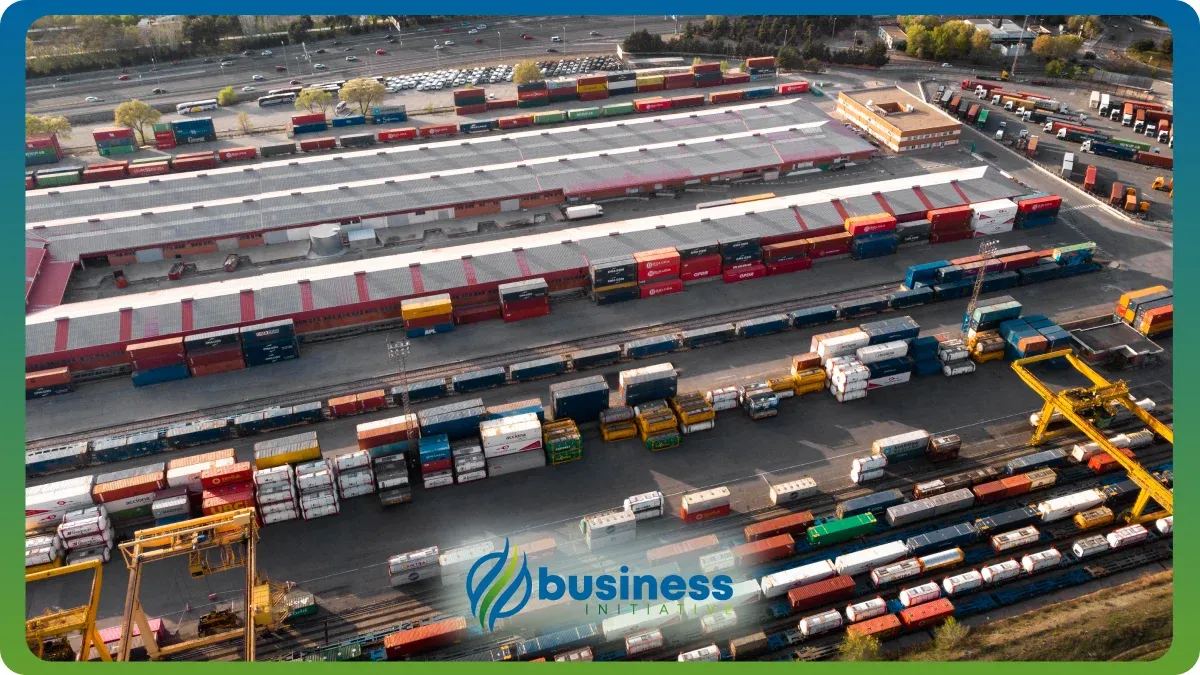
Before analyzing cost-reduction strategies, you need to distinguish how these two transportation models function in day-to-day operations.
Same-Day Couriers:
- Couriers specialize in local, time-critical deliveries.
- They typically handle parcel sizes, urgent documents, or critical service parts.
- This model relies on light vehicles that move a single shipper’s goods directly from pickup to delivery.
Direct Comparison: Operational Capabilities in Logistics Transportation Services
| Operational Feature | Same-Day Courier | Freight Carrier (LTL / FTL) |
|---|---|---|
| Average Weight Limits | Typically under 150 lbs per package | From 150 lbs up to 45,000 lbs+ |
| Handling Risk | Minimal; stays in the same vehicle | Variable; higher in LTL networks, minimal in FTL |
| Geographic Range | Local to regional (typically under 200 miles) | Regional, nationwide, and cross-border |
| Pricing Basis | Distance traveled, urgency, and fuel surcharges | Weight, freight class, lane density, and distance |
Key Factors for Choosing Your Shipping Method

To optimize logistics expenses without compromising delivery performance, operations managers should evaluate each shipment against three metrics.
1. Shipment Size, Weight, and Packaging
Standard couriers are structurally limited by vehicle volume and legal weight thresholds. Palletized materials, industrial machinery, and raw building materials automatically require a freight carrier.
2. Destination and Transit Distance
Couriers offer transit times within local metropolitan rings but become cost-prohibitive over long distances. Freight carriers leverage established hub-and-spoke networks to deliver superior cost efficiency per mile.
3. True Urgency vs. Preferred Urgency
Misjudging urgency is a cause of budget overruns. Shippers often pay premium rates for same-day couriers out of habit rather than strict necessity.
The Bottom Line
Ultimately, cutting shipping costs is not about choosing one service over the other permanently; it is about building a dynamic logistics framework. Use same-day couriers strictly for true, line-down emergencies where production or customer retention depends on immediate delivery.