
Building a high-performing team requires more than assembling talented individuals under one roof, and with talent acquisition costs up 7% year on year, it’s as much a financial question as a strategic one. True business success hinges on how leaders structure accountability, foster transparent communication, and cultivate an environment where professionals can grow.
As organizations scale, founding leaders often hit an operational wall. What worked for a five-person startup fails when managing fifty employees across distinct departments. Mastering the transition from individual contributor to strategic leader demands a refined skill set rooted in management theory, organizational psychology, and practical execution.
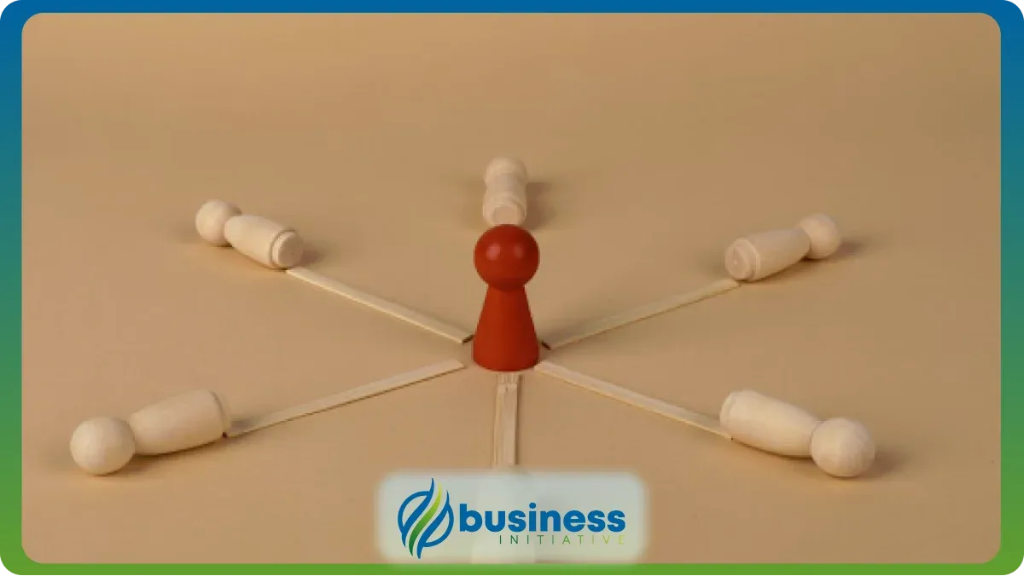
Image Source: Pexels
The Pillars of Team Performance and Growth
When leaders fail to set clear expectations, team members waste critical energy deciphering priorities rather than executing tasks. High-performing environments rely on structural clarity, where every employee understands how their specific role feeds into broader corporate objectives.
Building this alignment starts with deliberate hiring and continuous development. Bringing high-potential talent into an organization is only the first step; retaining and expanding that talent requires structured performance management systems. Leaders who invest in targeted coaching and transparent feedback loops build resilient teams that can adapt to shifting market demands.
Psychological safety plays an equally crucial role in sustaining high output. When employees know their input is valued and honest mistakes are treated as learning opportunities, innovation thrives. Organizations that prioritize open dialogue experience lower turnover and higher employee engagement.
Strategic Delegation and Managerial Accountability
Delegation is frequently misunderstood as simply handing off tasks to lighten an executive’s workload. Effective delegation is actually a framework for empowering team members while retaining macro-level accountability.
- Establishing measurable success criteria before assigning critical project phases
- Granting operational autonomy while maintaining scheduled check-in milestones
- Providing immediate, constructive feedback upon project completion
To implement these delegation practices effectively, business owners must move past the temptation to micromanage daily workflows. Micromanagement signals a lack of trust and creates organizational bottlenecks that throttle growth.
Leadership failure rarely stems from a lack of technical industry knowledge. Instead, it occurs when executives fail to establish rigorous accountability frameworks. Creating a performance-driven culture requires defining explicit metrics, establishing regular progress reviews, and holding individuals accountable for their committed deliverables.
Leveraging Advanced Management Training for Organizational Impact
Understanding team dynamics and employee motivation requires systematic study and practical application. Leaders navigating organizational expansion often seek structured advanced education to sharpen their strategic management capabilities.
Enrolling in an MBA in business provides executives with analytical tools, behavioral frameworks, and executive decision-making skills necessary to lead complex workforce structures. Graduate business programs examine how organizational culture drives operational performance. Professionals analyze real-world case studies to evaluate how executive leadership choices influence corporate climate, employee motivation, and cross-functional coordination.
By connecting academic frameworks to daily operations, managers learn to navigate conflict resolution, design effective compensation structures, and lead organizational change initiatives smoothly.
Navigating Cross-Functional Friction
Companies successfully implementing growth strategies frequently face siloing as departments expand and specialization increases. When sales, product, and engineering teams operate in isolation, friction inevitably slows down execution and frustrates talent. Leaders must actively dismantle these barriers by establishing shared metrics that require genuine cross-departmental collaboration.
Bridging these gaps relies heavily on emotional intelligence and active listening. Managers who tune in to team sentiment can spot early signs of burnout or interpersonal conflict before productivity drops. Adaptive leadership styles help executives guide teams through rapid changes without alienating key staff members.
Measuring Long-Term Cultural Health
Traditional performance reviews often focus strictly on lagging indicators like quarterly revenue or completed tickets. Sustainable high performance requires tracking leading indicators such as employee sentiment, psychological safety scores, and voluntary turnover rates. Ignoring these early warning signals can quietly erode organizational stability from the inside out.
Organizations that treat culture as a dynamic system rather than a static HR checklist build resilient teams that can weather market shifts. Shared values and strong communication form the bedrock of enduring enterprise value. When executives consistently monitor these behavioral metrics, they create an environment where transparency replaces guesswork and high performance becomes repeatable.
Cultivating a Sustainable Workplace Culture
A high-performing culture is not created by accident or maintained through surface-level perks. It is constructed through daily leadership behaviors, shared values, and consistent enforcement of company standards. When leaders consistently model transparent communication and acknowledge team contributions, they establish an organizational blueprint that trickles down to every level of the company.
Sustainable performance also relies on balancing high standards with employee well-being. Teams operating under perpetual burnout eventually experience diminished productivity and high turnover rates. Executive leaders must design workflows and resource allocations that keep teams challenged without pushing them past operational capacity.
Modern management requires viewing workplace culture as an ongoing system tied to measurable business results. Treating team development as an integrated business strategy allows companies to build adaptable workforces ready to sustain long-term growth. Check out our other posts on business growth and employee performance management for further insights.